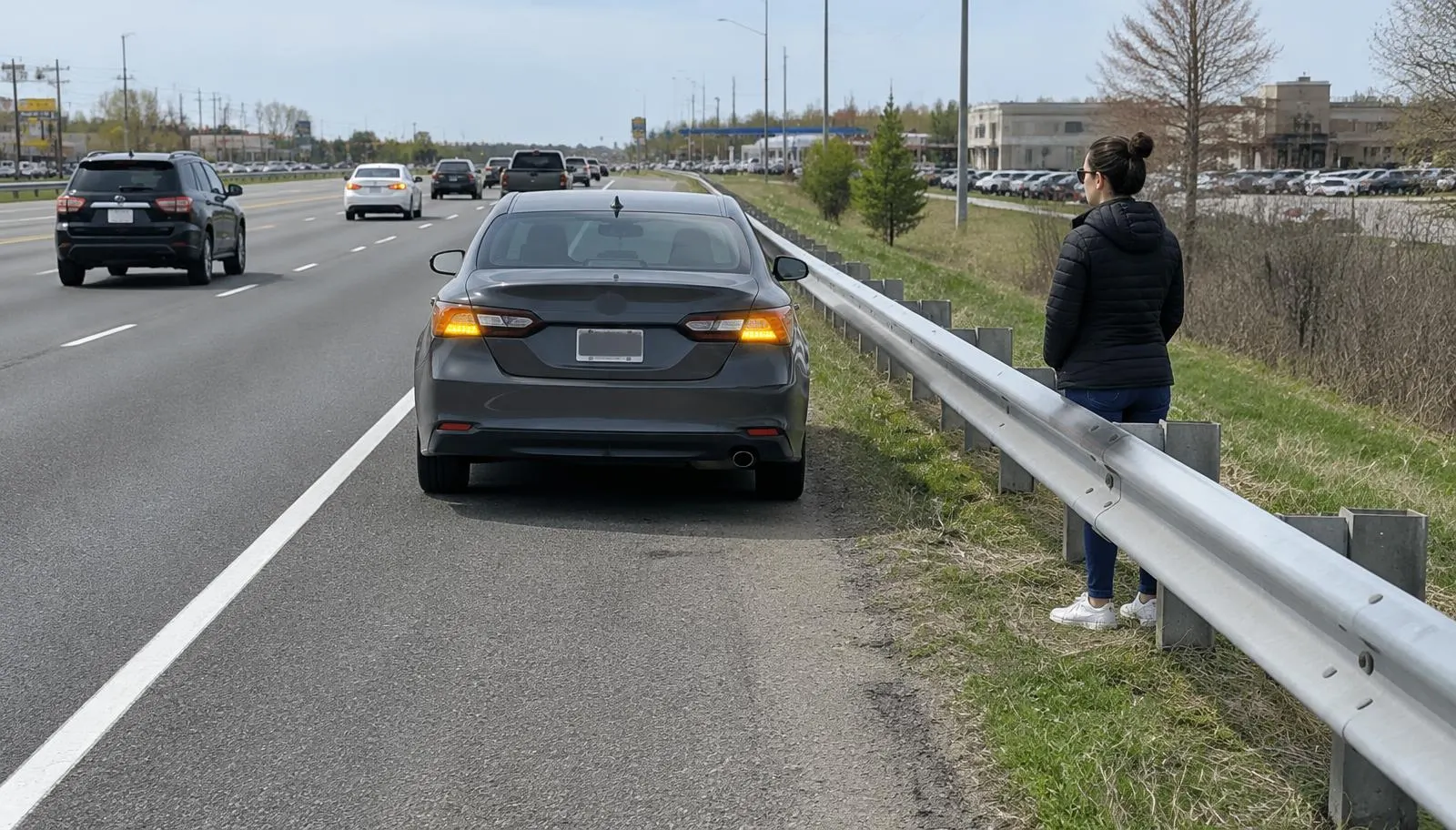
The first real cold snap on the North Shore always brings the same sound: a car that cranks slow, clicks, or does nothing at all. It's frustrating when you're trying to get to work in Lynn, Peabody or Salem, but a few quick checks can tell you a lot about what's going on and what kind of help you actually need.
Why cold weather hits cars so hard
Cold air slows down the chemical reaction inside a car battery, so it delivers less power right when the engine needs more. Engine oil also thickens overnight, which makes the engine harder to turn. A battery that worked fine in October can suddenly come up short on the first freezing morning in November. Cars that sit on the street for days, take short trips, or have batteries older than four or five years are the most likely to struggle.
Listen first: what the sound tells you
Before you try again and again, stop and pay attention to what happens when you turn the key or press the start button.
- Rapid clicking and dim dash lights. This usually points to a weak or dead battery. The starter is trying, but there isn't enough power.
- Slow, labored cranking that eventually stops. Another battery sign, often made worse by the cold.
- One loud click, bright dash lights, no crank. The battery may be fine, and the problem could be the starter or a connection.
- Normal cranking but the engine never catches. The battery is doing its job. Think fuel, ignition or a sensor problem instead.
- No sound and no lights at all. Could be a completely dead battery or a loose or corroded battery cable.
Quick checks you can do safely
- Turn off everything. Headlights, heater fan, radio and seat heaters all pull power. Turn them off before you try again.
- Check the gear selector. Many cars won't start unless they're fully in Park (or with the clutch pressed on a manual). Move the shifter to Park firmly and try again.
- Look at the dash. If the lights are dim or flicker when you try to start, that's a battery clue.
- Wait a minute between tries. Cranking over and over drains a weak battery even more. Give it 30-60 seconds between attempts and stop after three or four tries.
- Check the fuel gauge. It sounds obvious, but on a cold morning in a rush, an empty tank gets missed. If you're out, see our fuel delivery page.
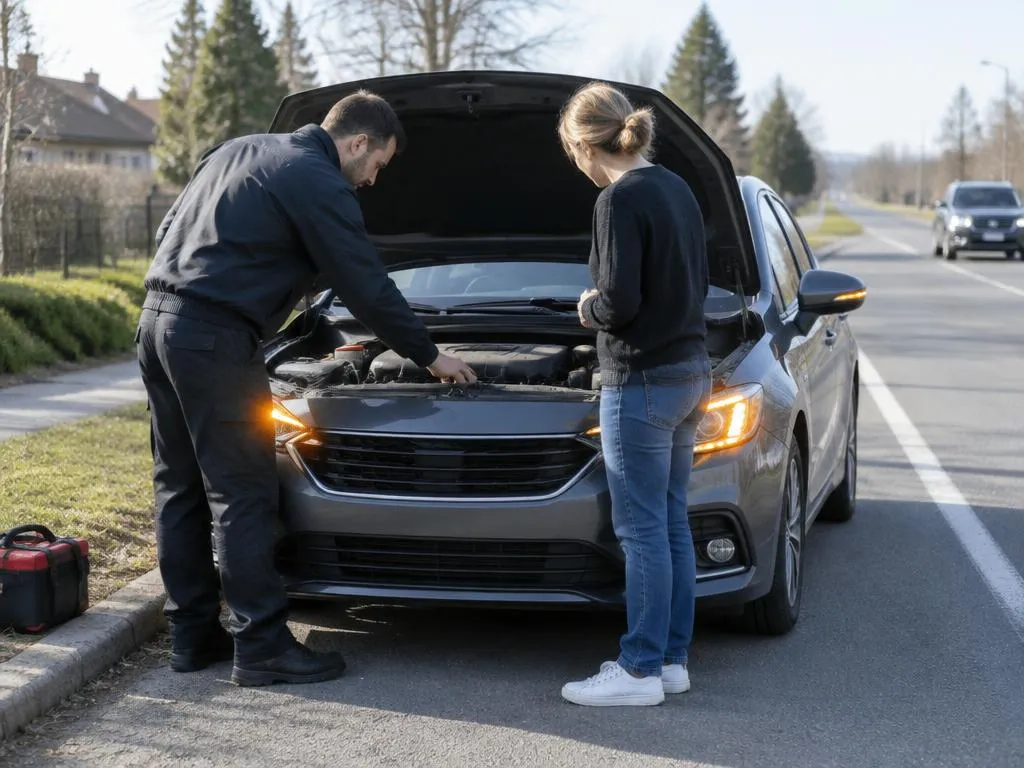
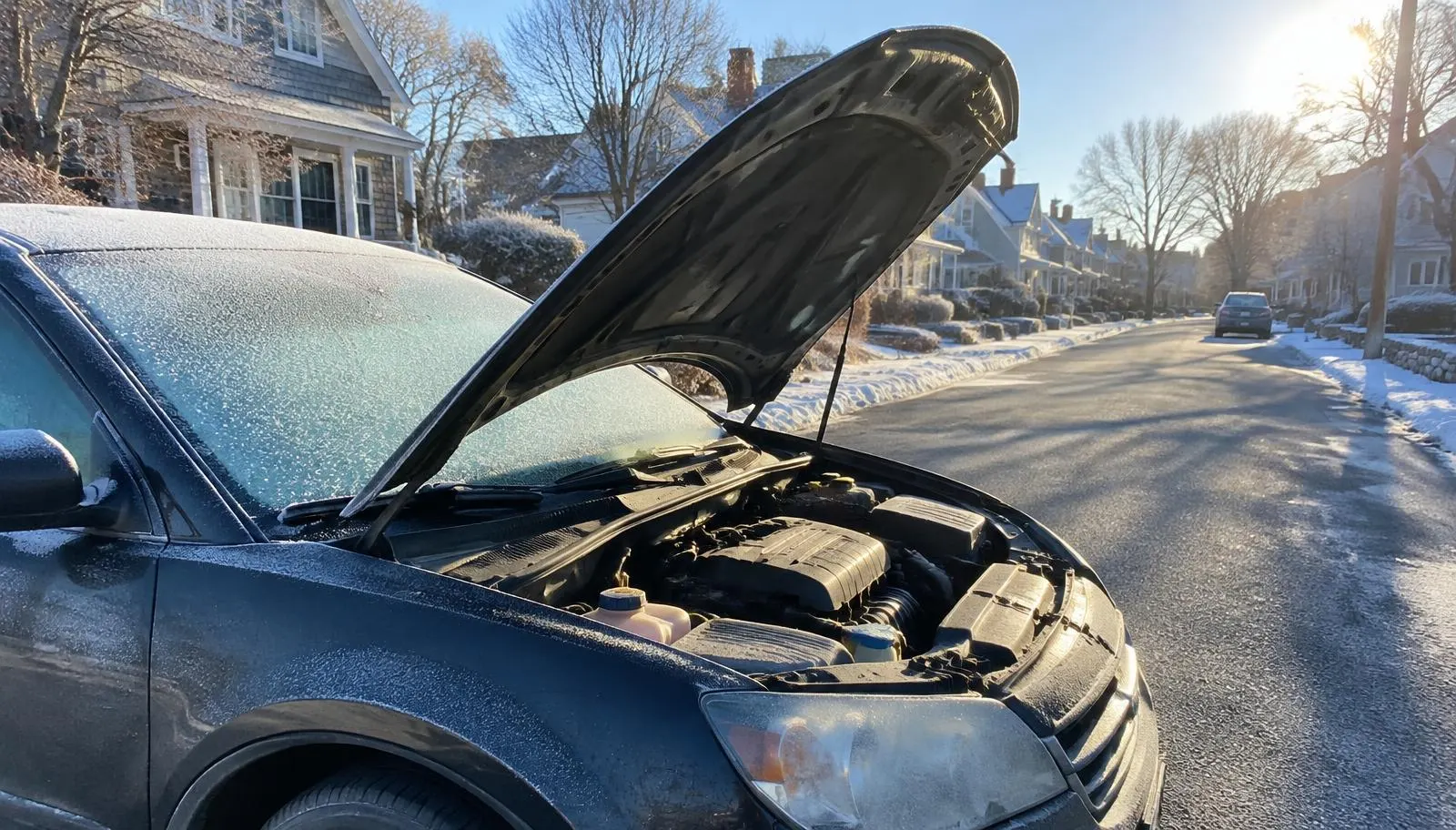
- Look under the hood only if you're comfortable. White or green crust on the battery terminals can block power. Don't touch the terminals with bare hands and never lean over a battery that smells like rotten eggs.
Don't do these things
- Don't pour hot water on the engine or windshield. It can crack glass and doesn't fix a weak battery.
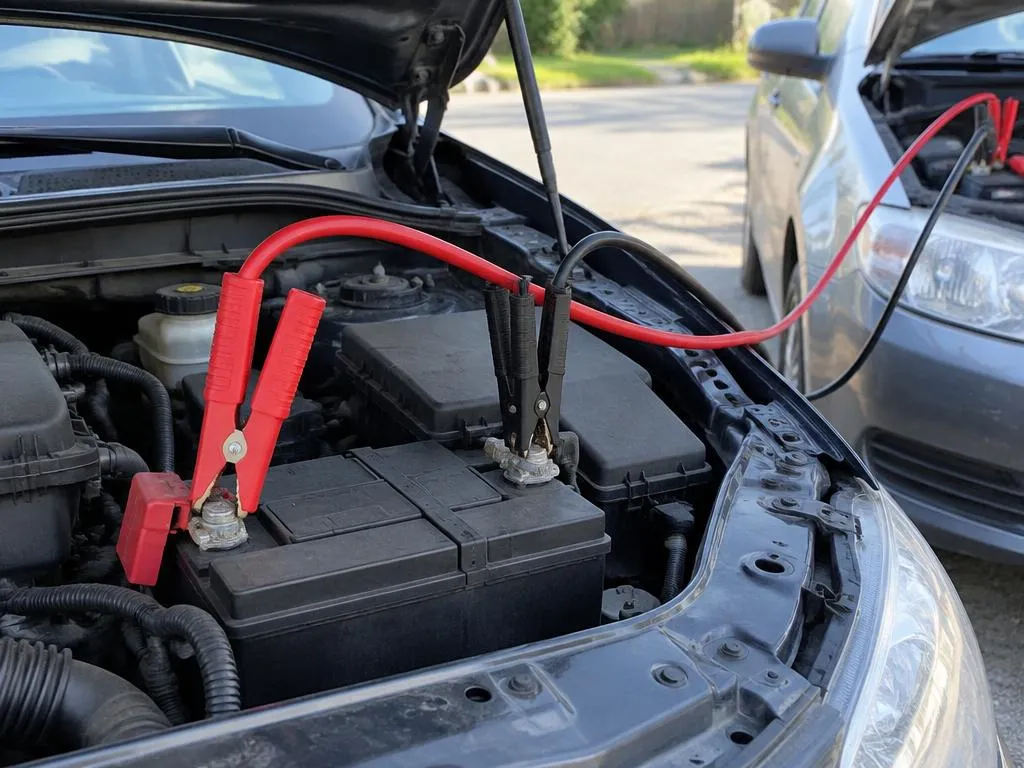
- Don't hook up jumper cables in the wrong order or let the clamps touch. A mistake can damage the electronics in modern cars.
- Don't keep cranking for minutes at a time. You can overheat the starter.
- Don't run the car in a closed garage to warm it up.
When a jump start is enough
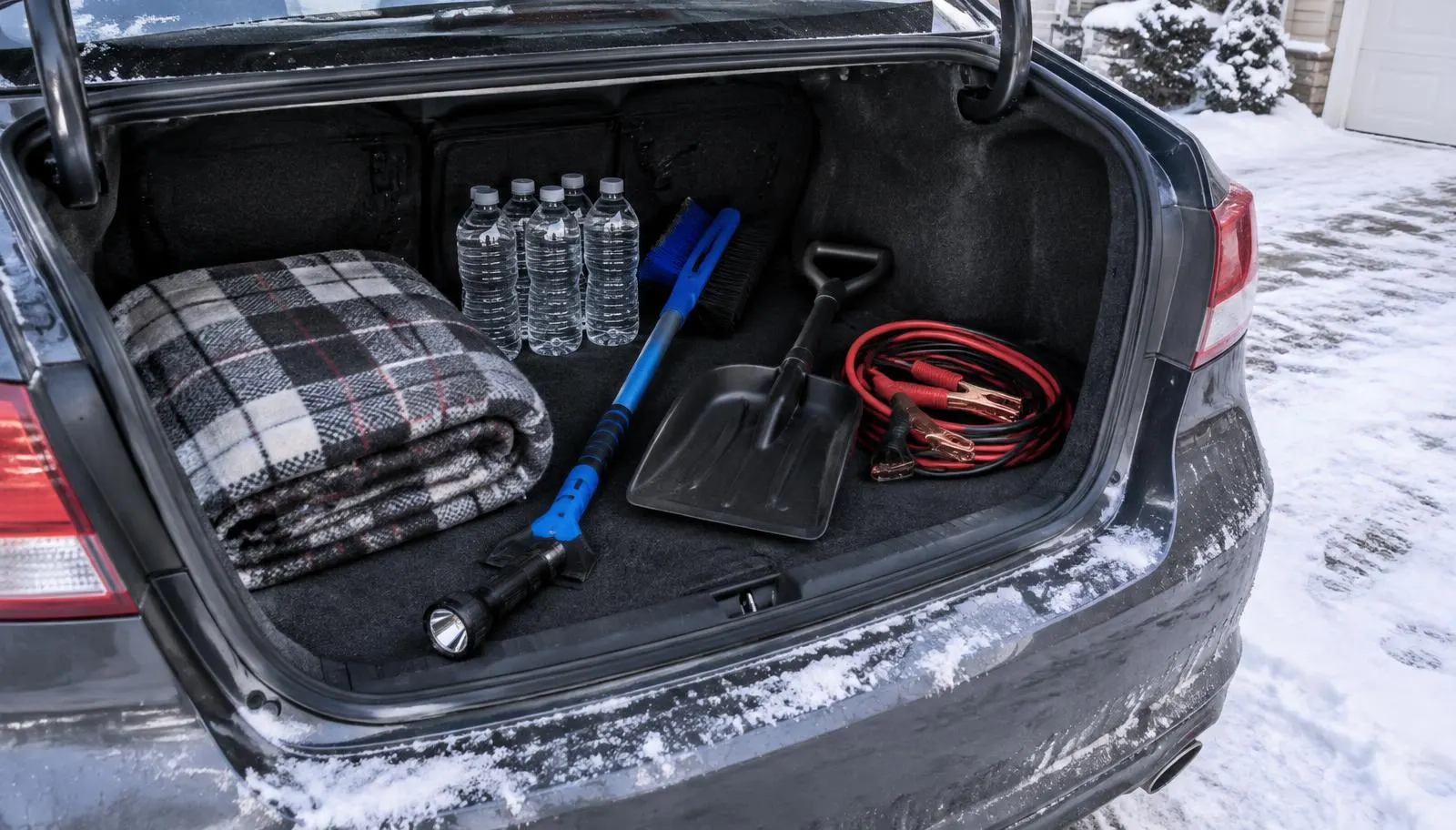
If the signs point to the battery and the car started fine yesterday, a jump start often gets you going. After a jump, drive for at least 20-30 minutes without making a lot of short stops so the alternator can put charge back into the battery. If the car won't start again the next morning, the battery is probably at the end of its life or the alternator isn't charging, and it's time for a shop.
When it makes more sense to tow
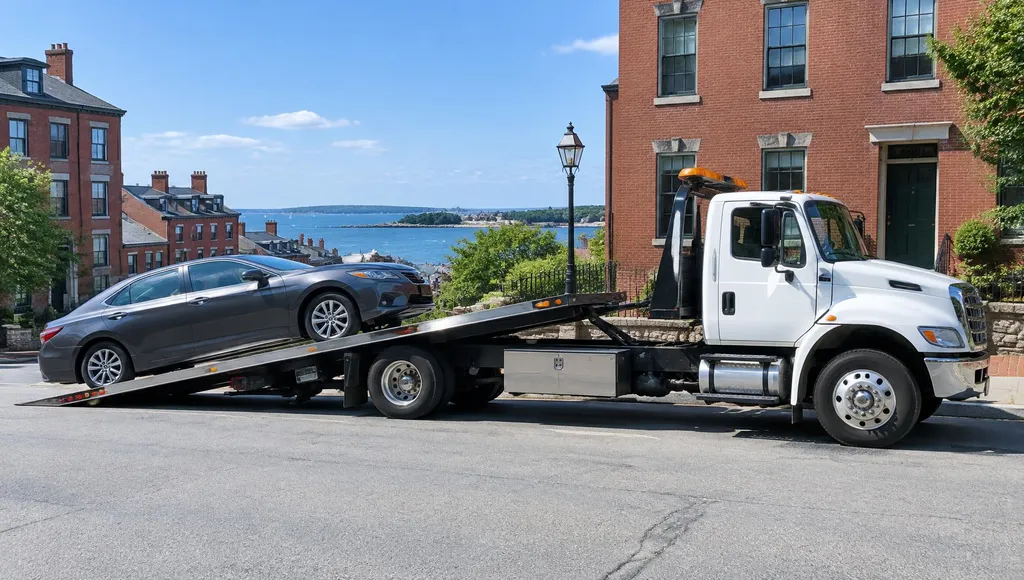
Call for a tow instead of trying to fix it where it sits if:
- The car cranks normally but won't start after a few tries.
- You smell fuel or see smoke.
- A warning light such as the battery, oil or check-engine light came on while you were driving yesterday.
- The car died again after a jump.
- The car is parked somewhere it can't stay, like a street with a parking ban coming.
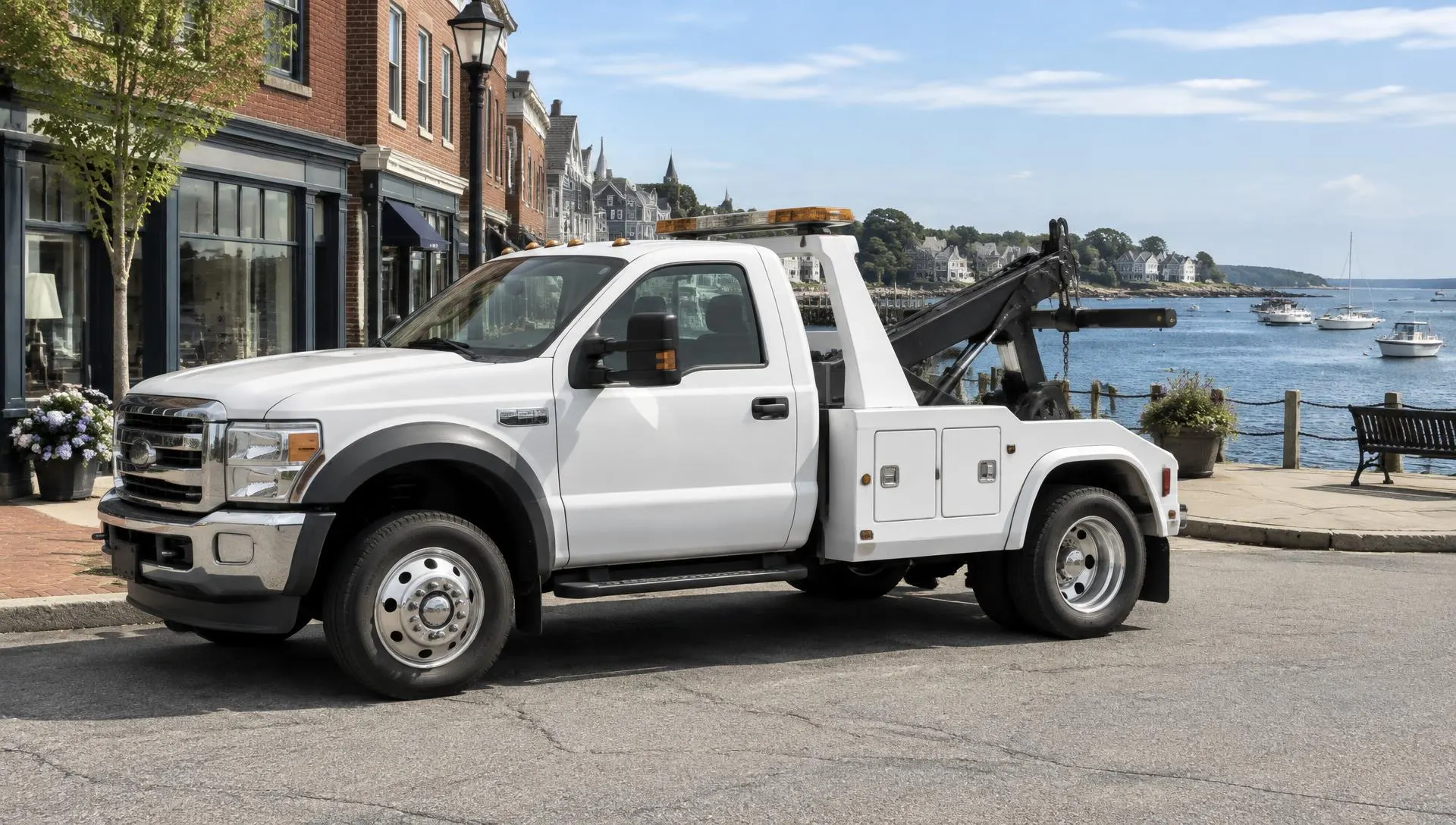
We can take it to your mechanic, your home or another shop you choose. See how our towing works.
A few habits that help all winter
- Have your battery tested before winter, especially if it's more than four years old. Many parts stores test batteries for free.
- If your car sits for days at a time, drive it at least once a week for 20 minutes or more.
- Keep the tank at least half full in winter.
- Park in a garage or out of the wind when you can.
Need help in Lynn or nearby?
If your car won't start and you're in Lynn or one of the nearby North Shore towns, call Lyly Towing at (833) 630-3011 or send a request. Tell us where the car is, what it's doing, and where you'd like it to go, and we'll take it from there.