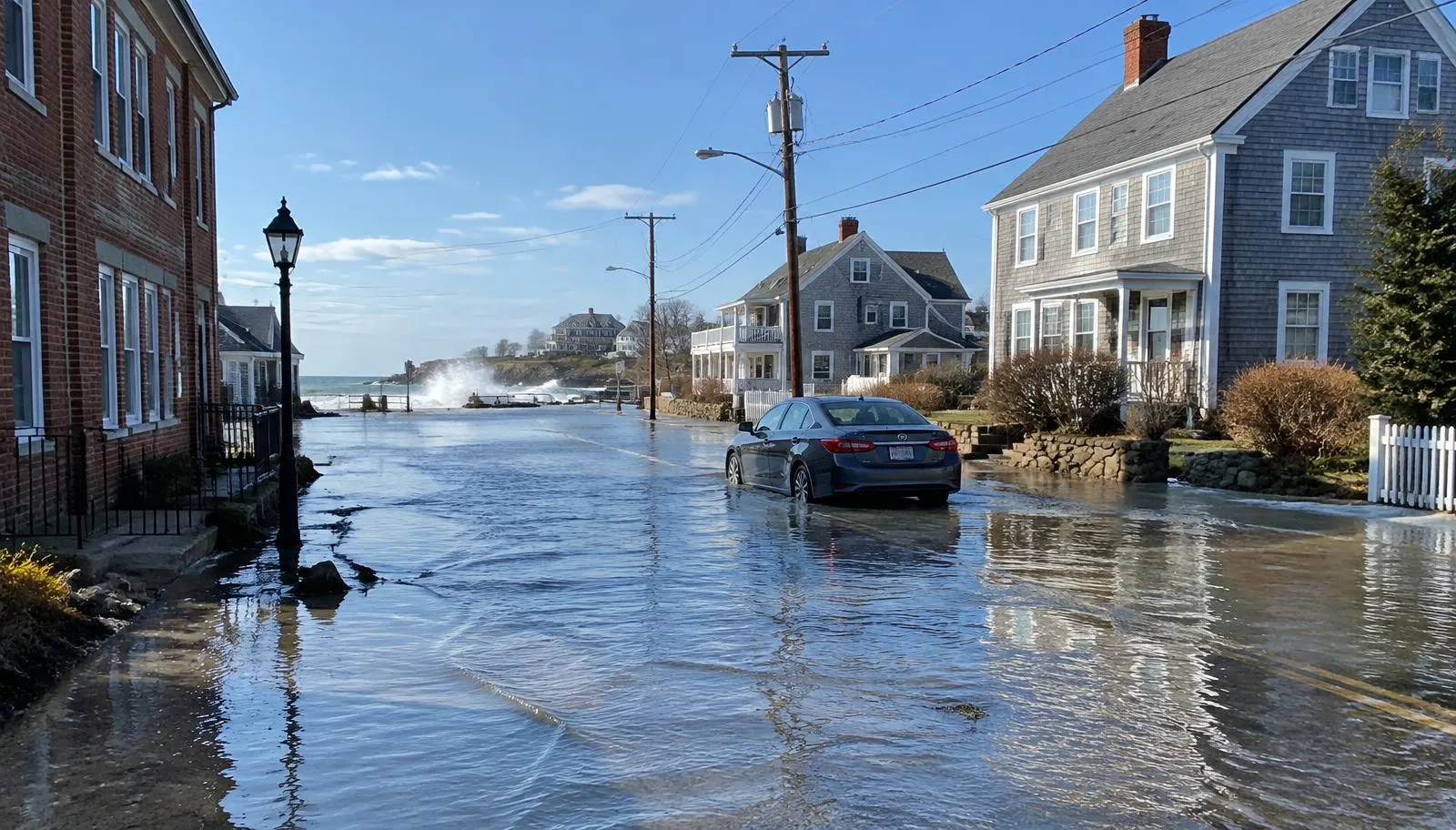
Coastal storms, heavy rain and very high tides can flood low roads on the North Shore, including stretches near the Lynnway, Revere Beach Boulevard, the Nahant causeway and low streets close to the water. Most people know they shouldn't drive into floodwater, but it still happens: water looks shallow, the car ahead made it, or the water rose faster than expected. If your car stalls in a flooded street, what you do next matters a lot.
First: your safety
- Don't stay in a car in moving or rising water. If water is rising around the car, get out and get to higher ground. Call 911 if you're trapped or in danger.
- Never walk through moving water. Even shallow moving water can knock you off your feet, and you can't see open drains, potholes or debris under it.
- Watch for downed power lines. Stay far away and call 911.
Your car can be replaced. You can't.
Why you should NOT restart a stalled car
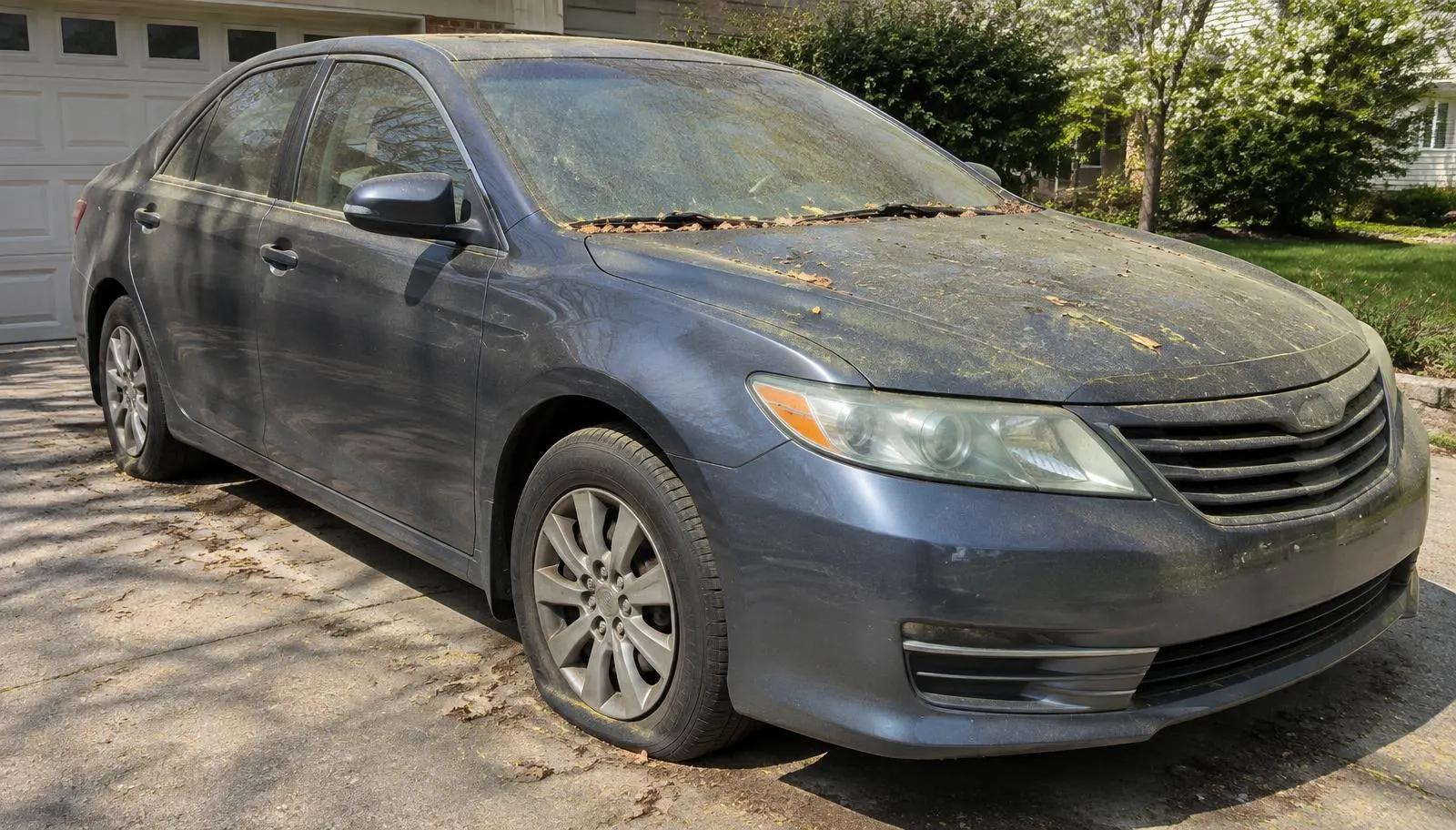
When an engine stalls in water, there's a good chance water got into the air intake. Water doesn't compress like air. If you try to restart the engine, the pistons push against water in the cylinders, which can bend internal parts (often called hydrolock). A car that might have needed drying out and a fluid change can turn into a car that needs a new engine after one try of the key.
Water can also short electrical parts, soak the computer modules and get into the transmission and fuel system. Trying to start it again can make all of that worse.
So: once it stalls, leave it off. Don't try "just one more time."
What to do instead
- Turn the car off completely and put it in Park with the parking brake on.
- Get out if water is rising, and move to higher ground.
- Take photos of the car, the water level on the doors and wheels, and the street. These help with an insurance claim.
- Call your insurance company. Flood damage is usually covered under comprehensive coverage, not liability-only. They can tell you what they need.
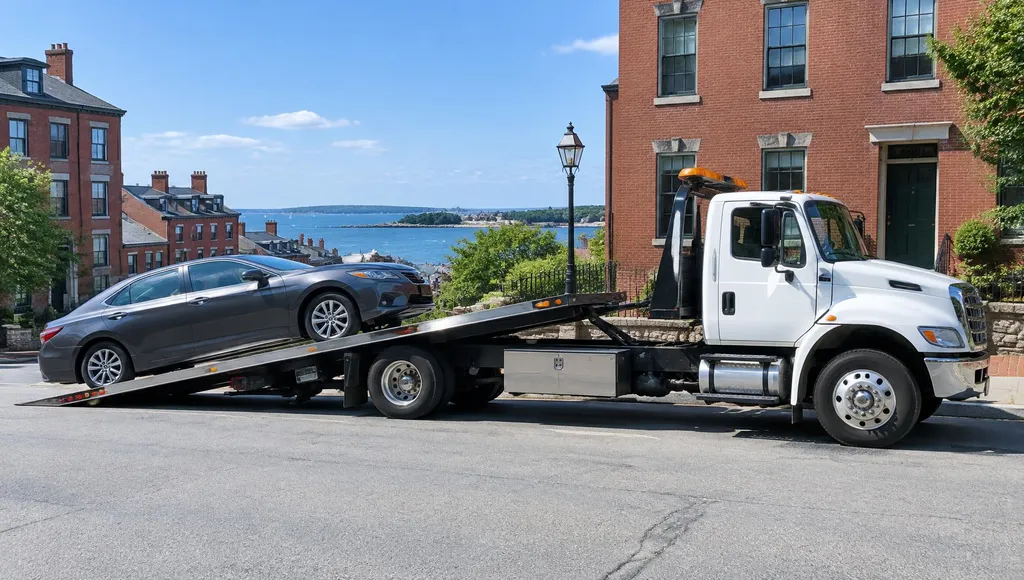
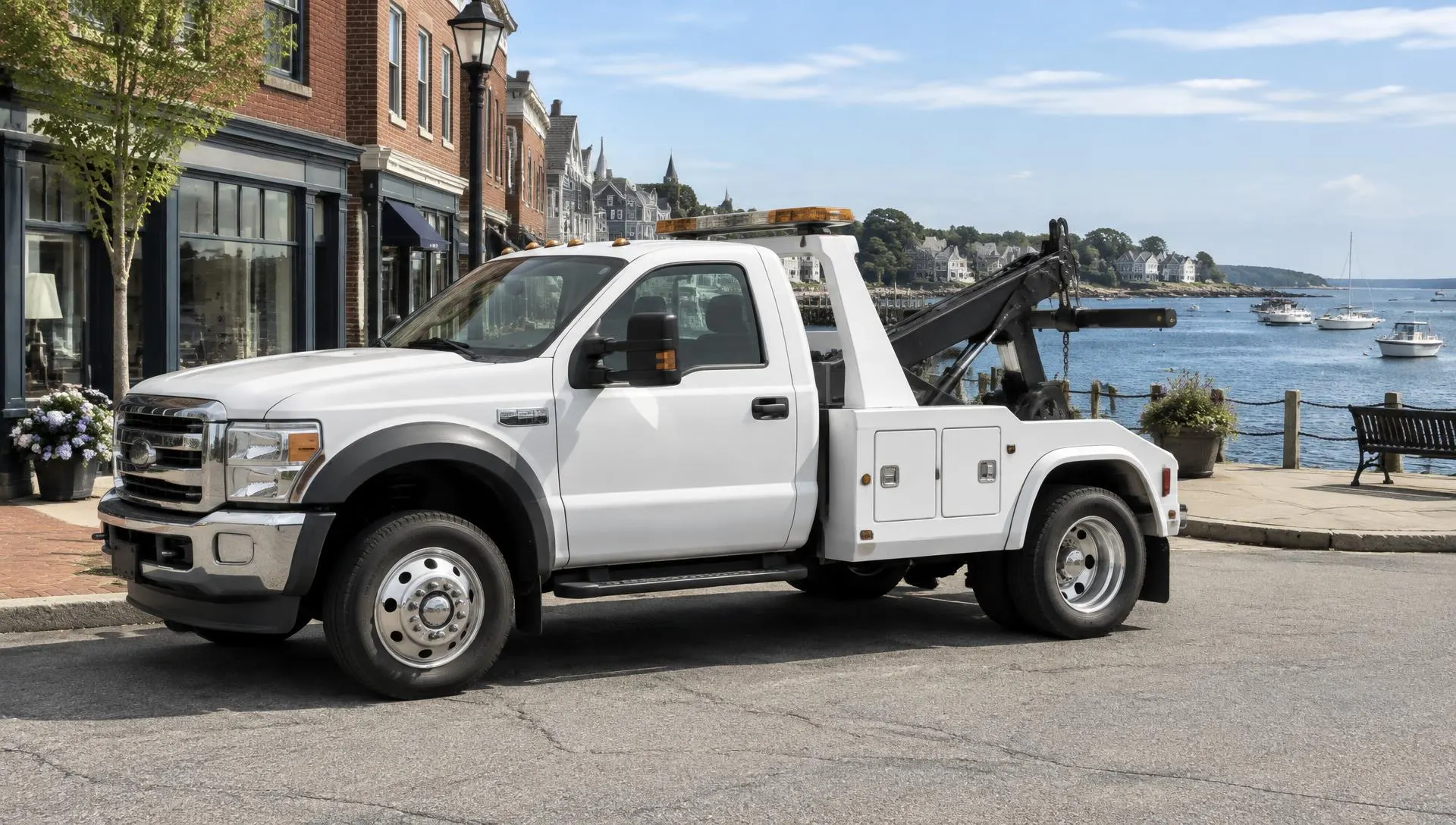
- Call for a tow once the water goes down enough for a truck to reach the car safely. A flood-stalled car should be towed, not driven, to a shop.
How much water is too much?
As a rough guide, water that reaches the bottom of your doors is enough to cause problems, and water over the middle of the wheels can stall many cars or float smaller ones. But depth is hard to judge in the dark or when water is moving. Salt water from storm surge is especially hard on cars because it speeds up corrosion in brakes, wiring and the underbody.
The safest rule is the simple one: if you can't see the road surface, turn around.
After the tow: what a shop will look at
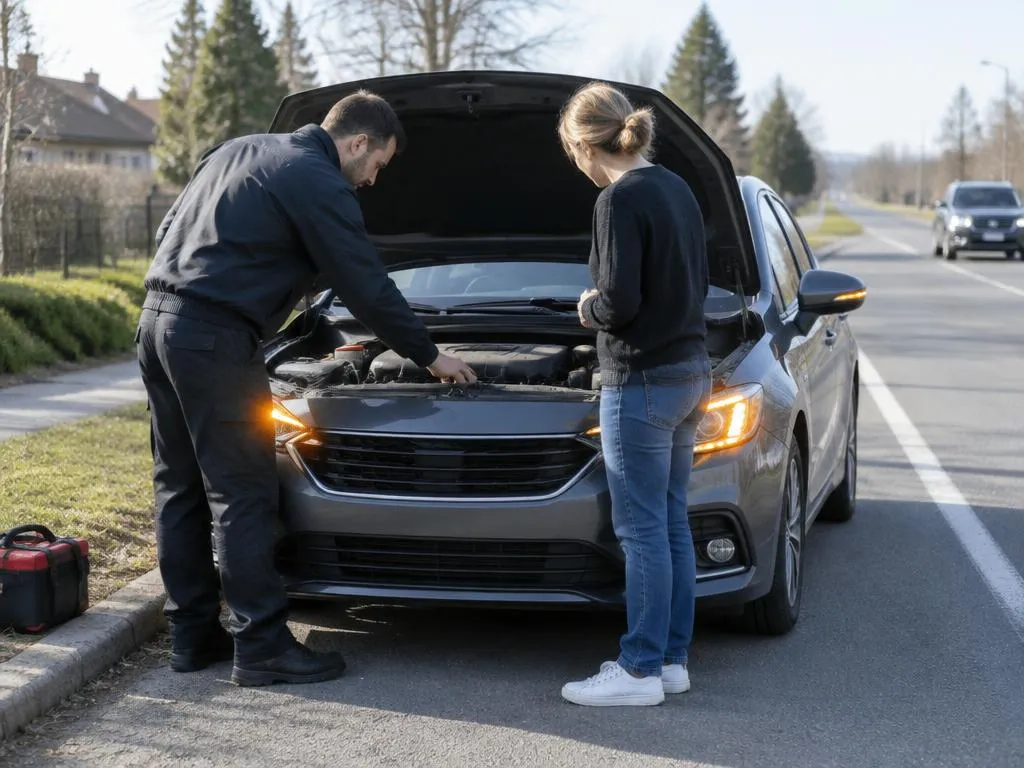
A mechanic will usually check the air filter and intake for water, the engine oil (milky oil can mean water got in), the transmission fluid, the fuel system, and the electrical connections. Don't let anyone restart the engine before these checks. If the car sat in salt water, ask for the brakes and underbody to be rinsed and checked too.
If you drove through water and the car still runs
If you made it through a flooded spot without stalling, drive gently and test your brakes at low speed, because wet brakes don't grab well at first. Over the next few days, watch for warning lights, strange noises or a musty smell inside, and have the car checked if anything seems off.
Need a tow after a flood?
When it's safe to reach your car, Lyly Towing can tow it from Lynn and nearby North Shore towns to your mechanic, your home or a shop your insurance chooses. Call (833) 630-3011 or send a request. See how our towing works.