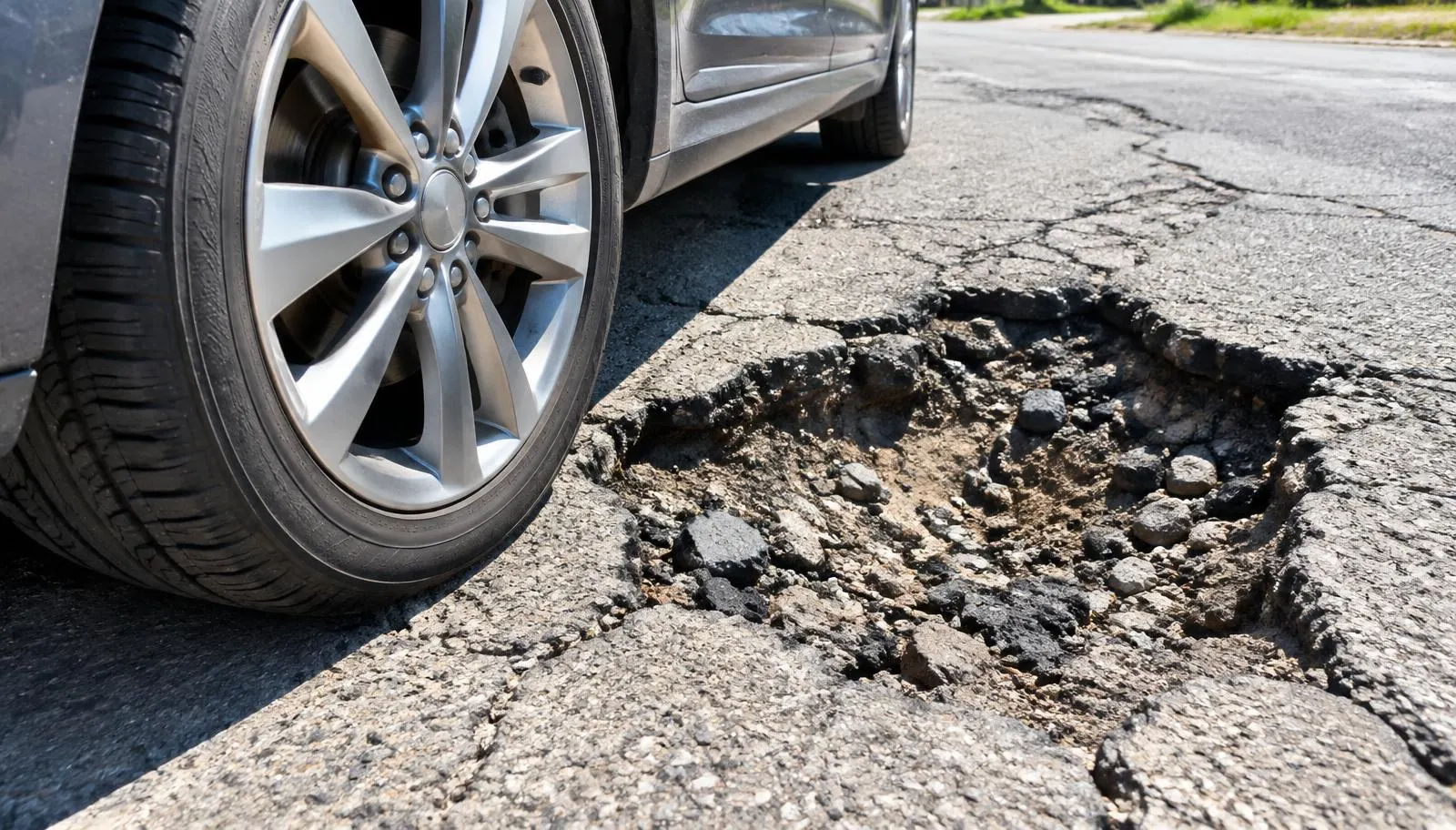
Every late winter and spring, freeze-thaw cycles open up potholes across Massachusetts, and the North Shore is no exception. Hit a deep one on Western Ave, Route 1A or a side street at normal speed and you'll feel it. Sometimes nothing happens. Sometimes you get a flat, a bent rim or damage you won't notice until later.
Right after the hit: find a safe spot
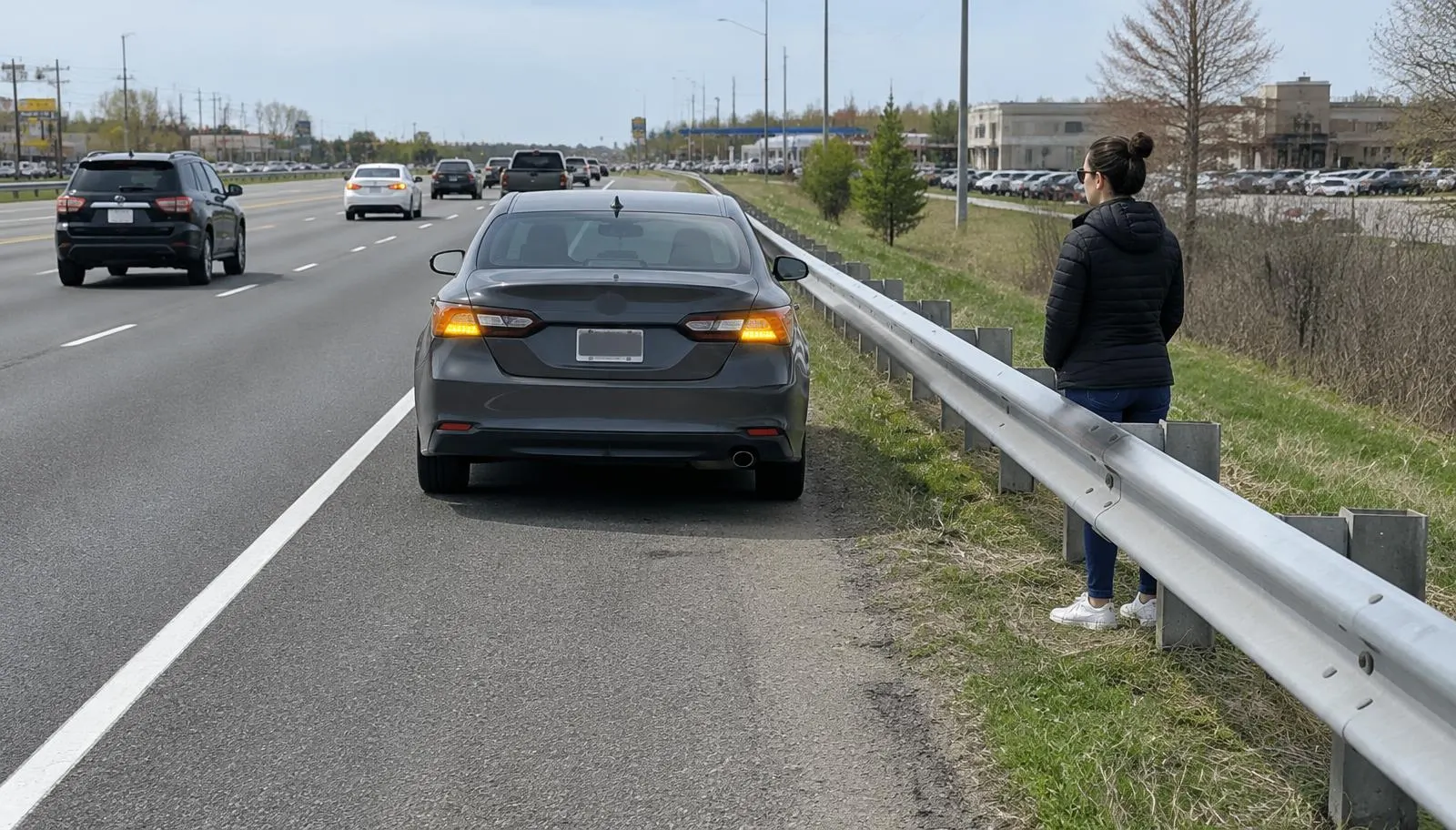
If you feel the car pull, hear a flapping or thumping sound, or see a tire warning light, turn on your hazards and pull into a safe spot like a parking lot or side street. Don't stop in a travel lane unless you have to.
Walk around and look
Once you're safely stopped, check:
- The tire sidewall. Look for a bulge or bubble on the side of the tire. A bulge means the inside of the tire is damaged and it can blow out. Don't drive on it, even if it holds air.
- The tire tread. Look for cuts or gashes.
- The rim. Look for a dent, a crack or a flat spot on the edge of the wheel.
- Tire pressure. If you have a gauge, check it. A tire going soft after a pothole hit may be leaking around a bent rim.
- Anything hanging or dragging under the car.
Flat tire, bent rim, or alignment?
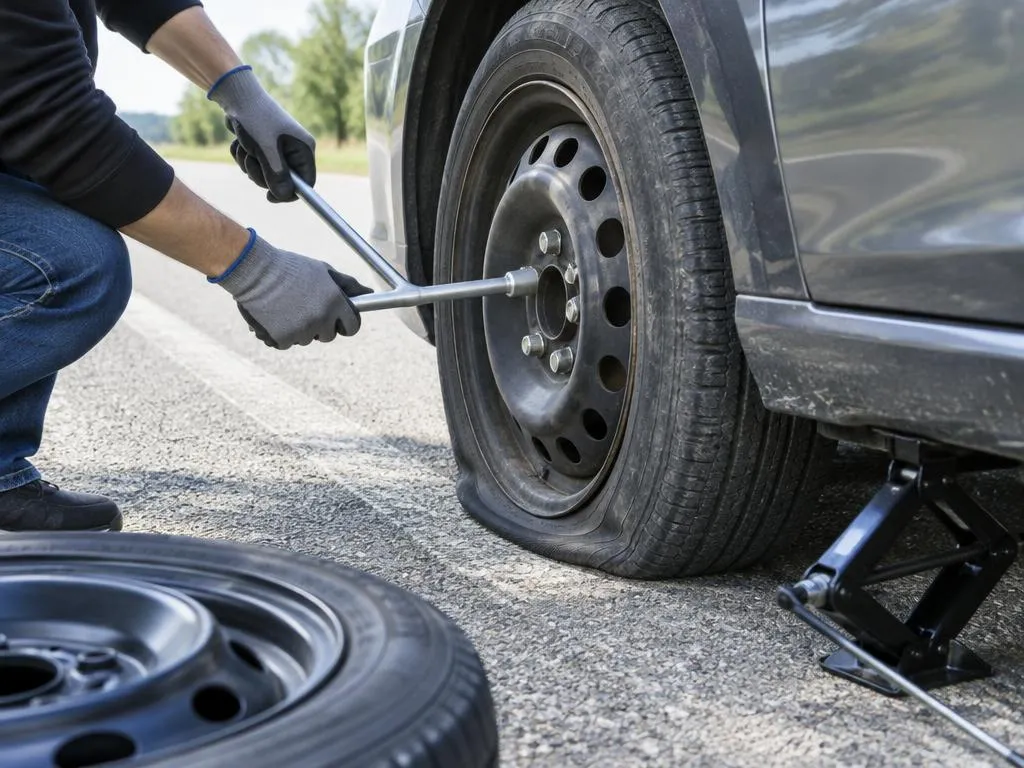
- Flat tire: the tire is visibly low or the warning light is on and the pressure keeps dropping. If you have a good spare, it can be changed where you are. See our tire change page.
- Bent rim: you may feel a vibration through the steering wheel or seat that gets worse with speed, or the tire slowly loses air. A badly bent or cracked rim needs a tire or wheel shop.
- Alignment or suspension damage: the steering wheel is off-center, the car pulls to one side, or you hear clunks over bumps. That's a job for a mechanic soon.
When it's safe to drive and when it isn't
It's usually OK to drive slowly to a nearby shop if the tire holds air, there's no bulge, and the car drives straight without heavy vibration.
Don't drive it if:
- The tire is flat and you don't have a usable spare.
- There's a bulge in the sidewall.
- The rim is cracked or badly bent.
- The car shakes hard, pulls strongly or makes grinding or clunking noises.
- Something is hanging or dragging under the car.
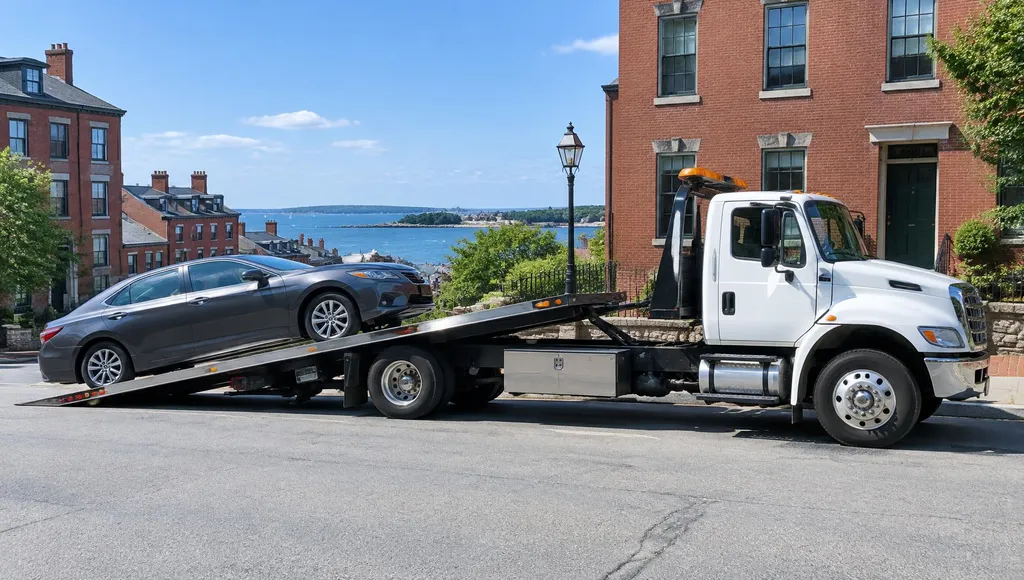
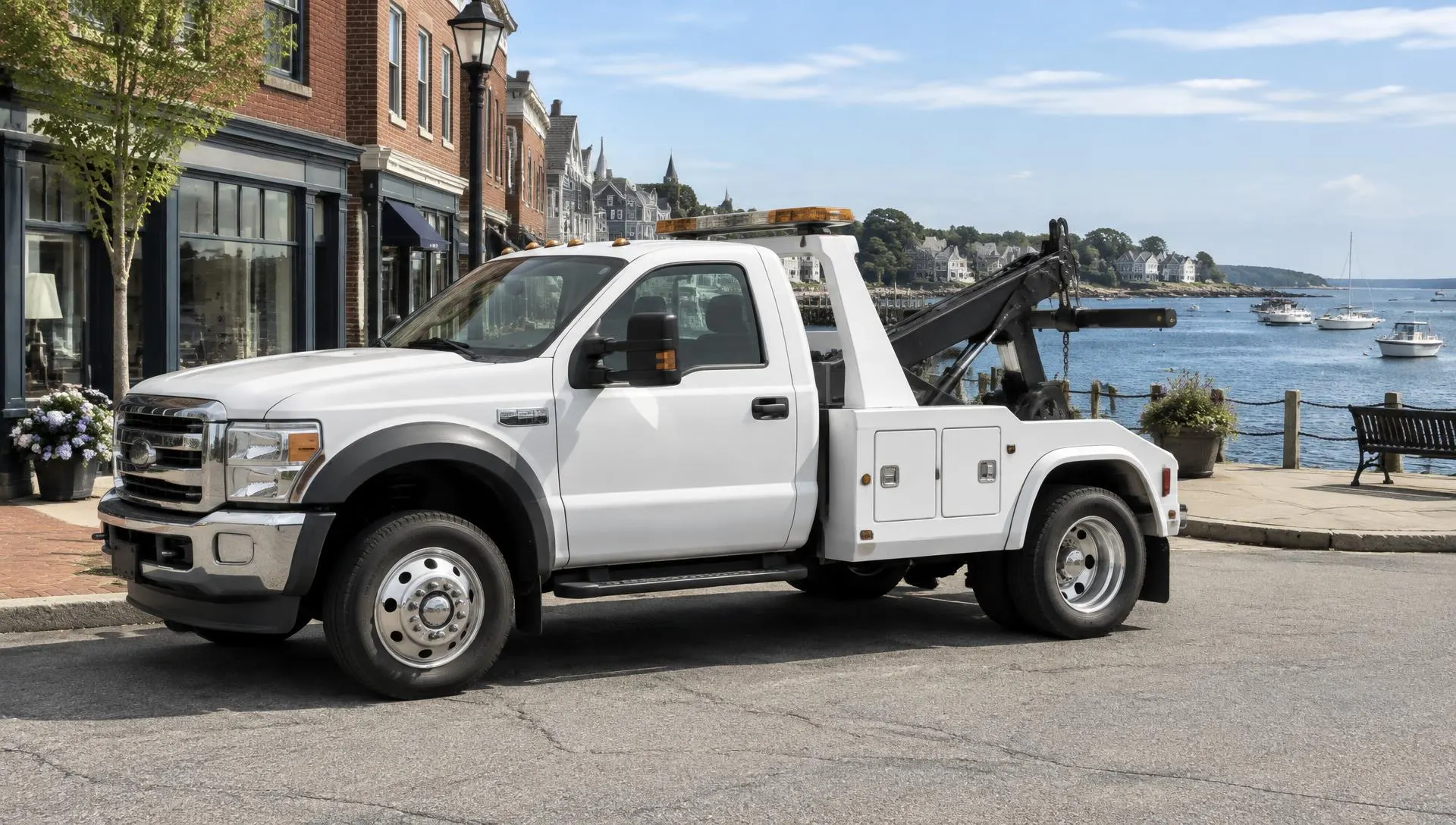
In those cases, a tow to a tire shop or your mechanic is the safer move.
Don't forget the donut rules
If we put your compact spare (the "donut") on, remember it's meant to get you to a shop, not for regular driving. Most are rated for lower speeds and short distances; check the label on the spare. Get the original tire repaired or replaced soon.
Can you get the city or state to pay?
Sometimes. In Massachusetts, the law that covers damage from road defects generally requires written notice to the city or town (or to the state, for state roads) within 30 days, and recovery is capped. Rules and forms differ by who maintains the road, so check with your city or town hall, or with MassDOT for state highways, as soon as possible. Take photos of the pothole (with something for scale), your damage, the exact location and the date, and keep your repair receipts.
A few ways to lower the risk
- Keep tires properly inflated; under-inflated tires are easier to damage.
- Leave more space behind the car ahead so you can see potholes coming.
- Slow down before a pothole you can't avoid, and release the brake just before you hit it.
- Be extra careful on wet roads, where water hides how deep a hole is.
Need help after a pothole?
If you're stuck with a flat or a damaged wheel in Lynn or a nearby North Shore town, call Lyly Towing at (833) 630-3011 or send a request. We'll put on your spare if it's usable, or tow you to a tire shop.