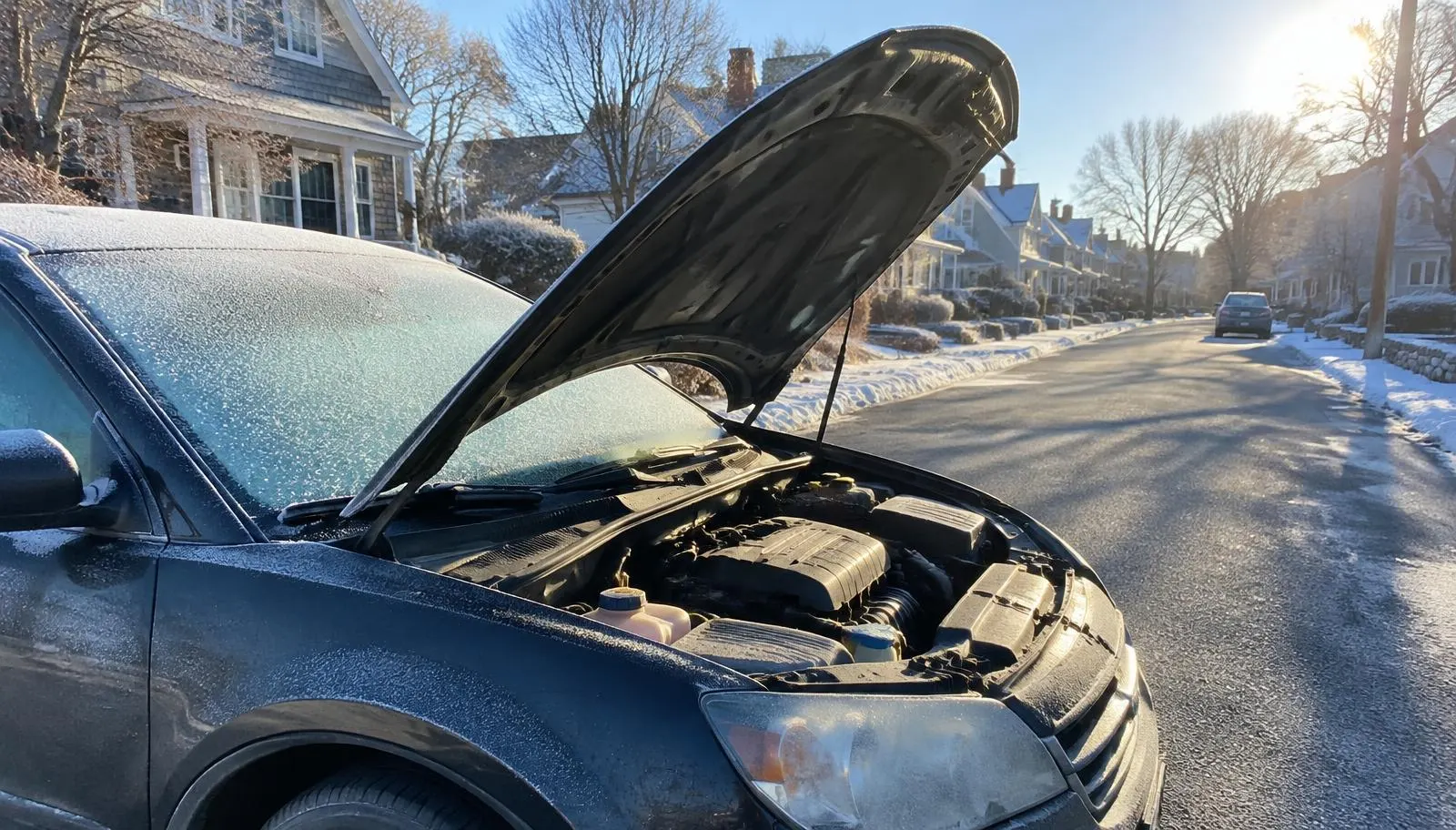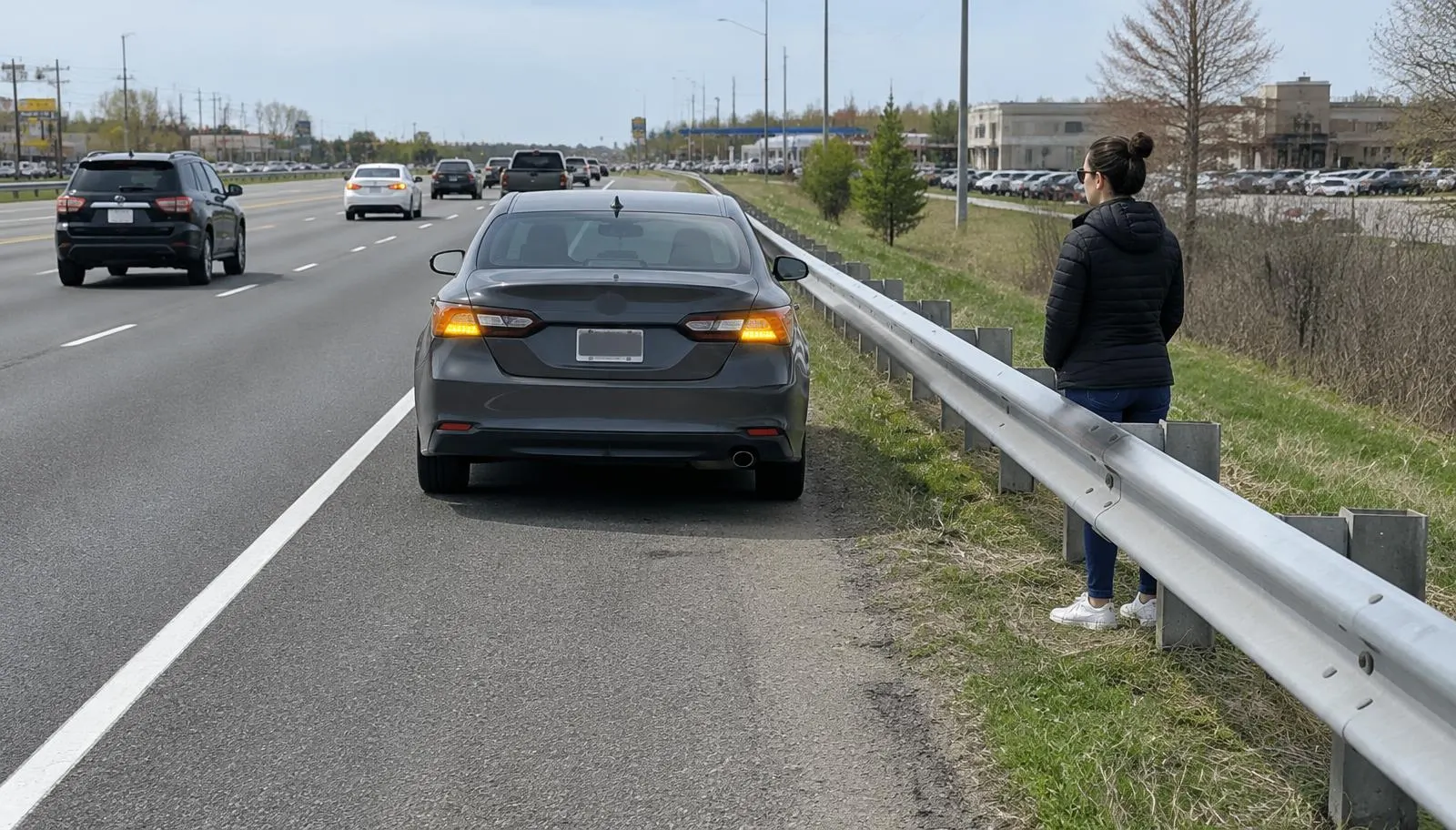
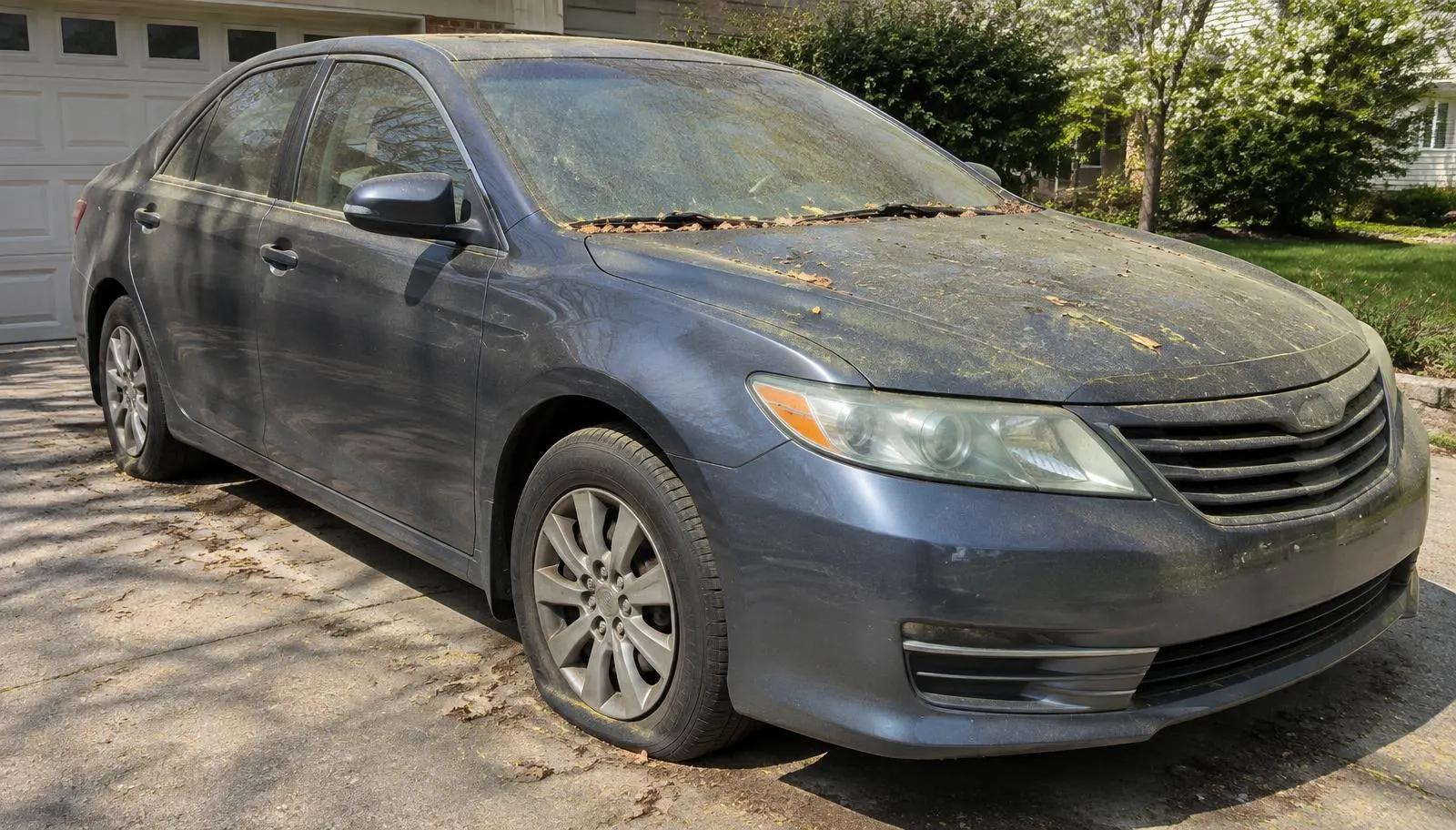
Plenty of cars on the North Shore spend the winter parked: a second car in the driveway, a car left behind when someone moved, or a project car under a cover. When spring comes, it's tempting to just turn the key and go. A few minutes of checking can save you a breakdown in traffic or a much bigger repair bill.
Walk around the car first
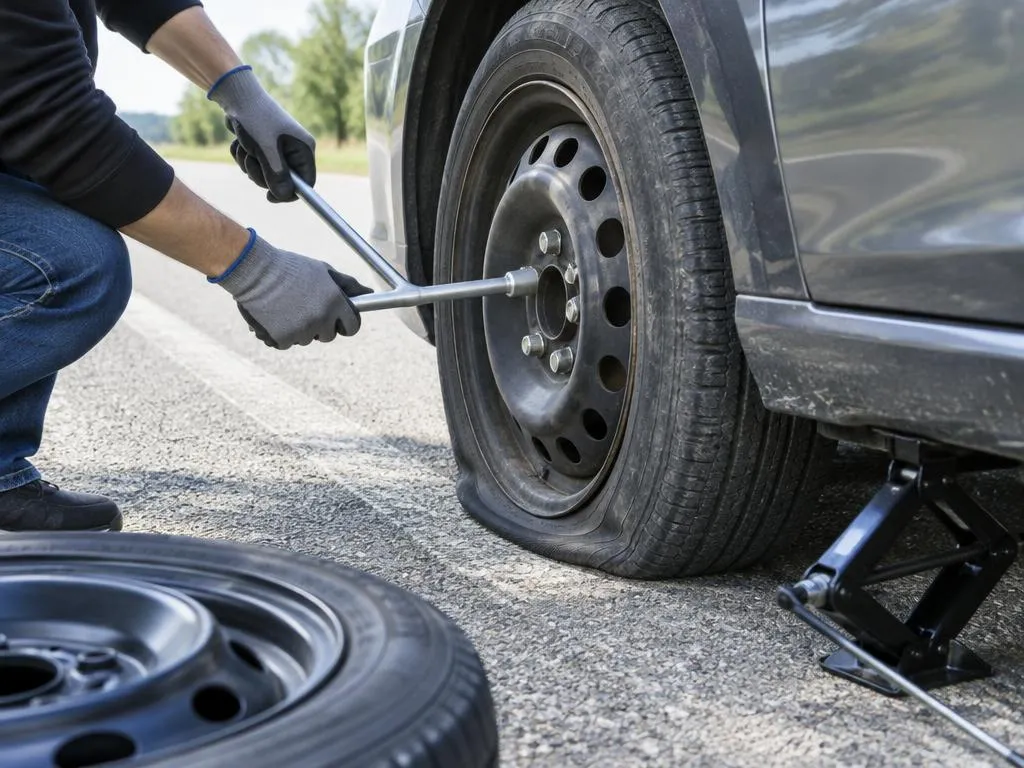
- Tires. Tires lose air over a winter, and cold makes it worse. Look for flat or low tires and check the pressure with a gauge. Tires that sat flat for weeks can be damaged inside even if they hold air again.
- Under the car. Look at the ground for fresh spots. Dark brown or black can be oil, green or orange can be coolant, red can be transmission fluid. A puddle means something needs attention before you drive.
- Windows, wipers and lights. Wiper blades crack in the cold. Make sure every light works.
- Signs of critters. Mice love parked cars. Look for chewed material, nesting (leaves, insulation, paper) on top of the engine or in the air filter box, and droppings inside the cabin.
Check under the hood
Only if you're comfortable doing it, with the engine off:
- Look for nests or chewed wires. Chewed wiring can cause warning lights, no-start problems or even a fire risk. If you see damage, don't start the car; have it towed to a shop.
- Check the oil level and color. Low or milky oil is a reason to stop.
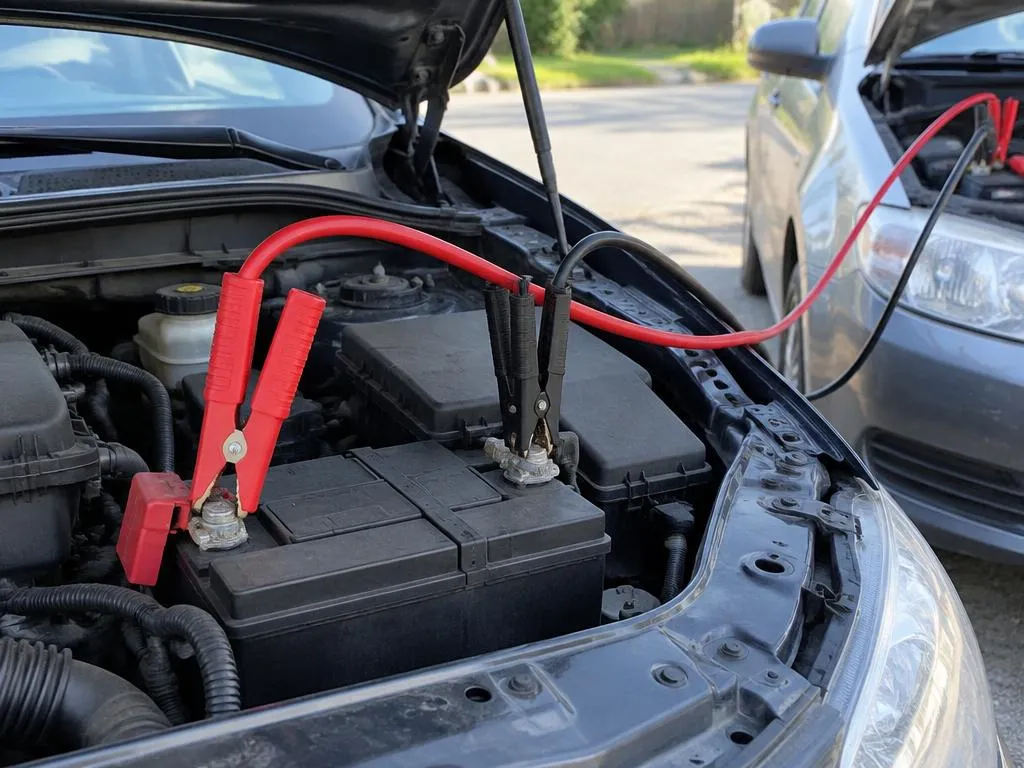
- Look at the battery. White or green crust on the terminals, a swollen battery case or a battery more than four to five years old are all warning signs.
Expect the battery to be weak
Batteries drain slowly even when a car is off, and a winter of cold and no driving often leaves them too weak to start the engine. A jump start may get it going. After that, drive at least 20-30 minutes. If it won't start again the next day, the battery likely needs replacing. Our jump start page explains the signs.
Brakes after a long sit
Rust forms on brake rotors quickly when a car sits outside, especially near the ocean and with road salt still on the car. A grinding noise on the first few stops is common and often goes away. But if the brake pedal feels soft or goes too far down, the car pulls hard to one side, or the grinding doesn't stop after a few gentle stops, don't keep driving. That needs a shop.
Also check that the parking brake releases fully. Parking brakes can stick after a long winter.
Fuel that sat for months
Gas slowly loses quality over months. A car that sat with a mostly empty tank may run rough at first. Topping off with fresh fuel usually helps. If the car sat for a very long time, or it ran out of fuel and won't start, see our fuel delivery page.
Registration, inspection and insurance
Before you drive on public roads, make sure the registration, insurance and inspection sticker are current. Massachusetts requires a yearly safety inspection, and an expired sticker can get you pulled over.
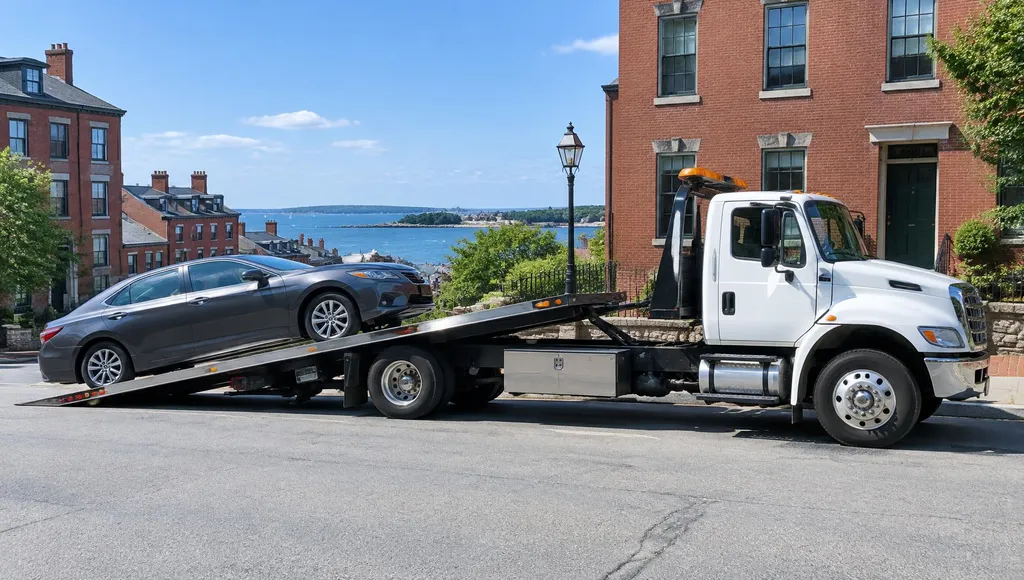
When to tow instead of driving it
Tow the car to a shop instead of driving it if:
- You find chewed wires or a nest in the engine bay.
- There's a fresh fluid puddle under the car.
- The brake pedal feels soft or the brakes don't work right.
- A tire is badly damaged or won't hold air.
- Warning lights stay on after it starts.
- The registration or inspection is expired and the car needs work to pass.
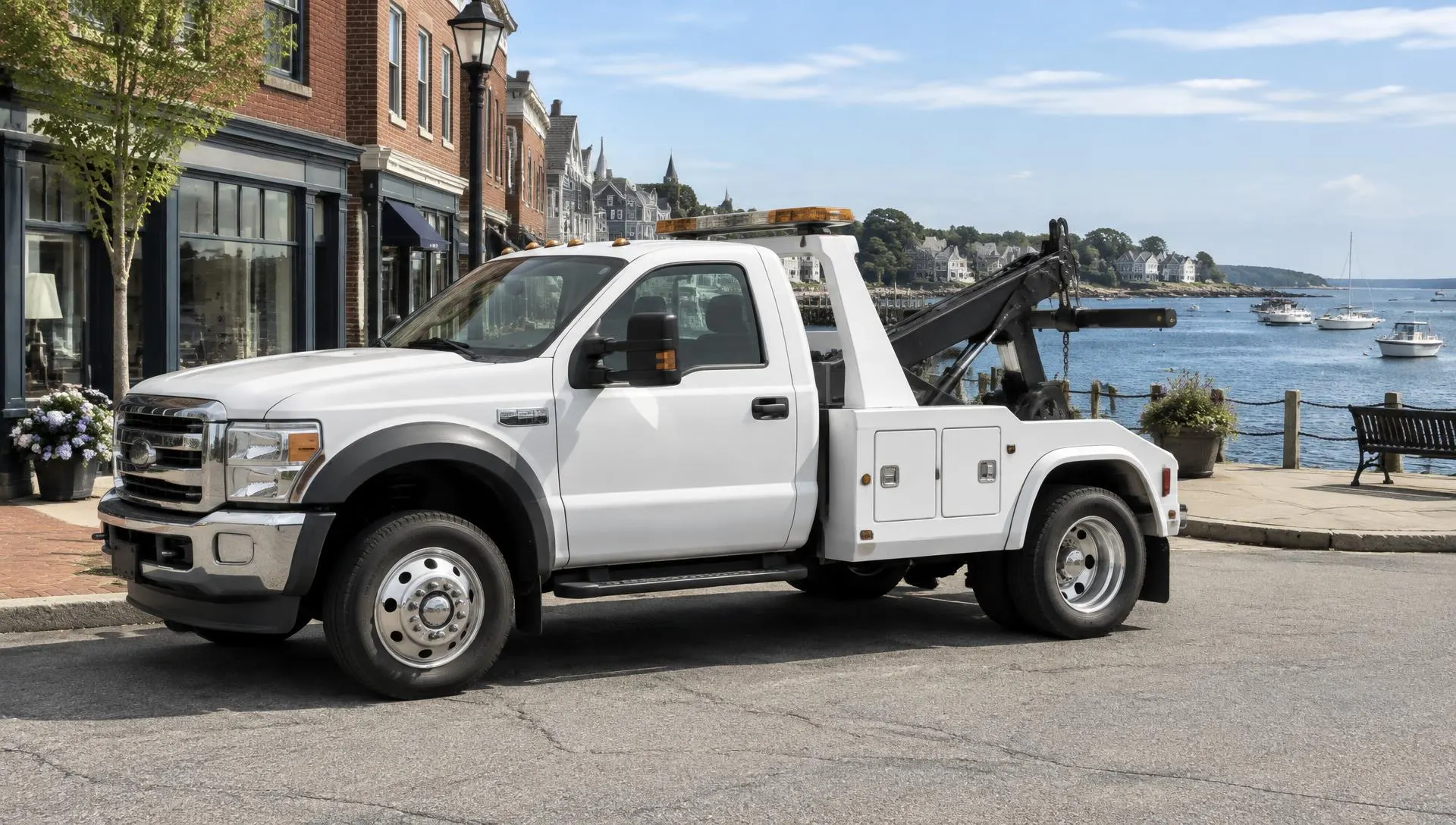
We can tow from a driveway, a side street or a parking lot to your mechanic or home. See how our towing works, or call Lyly Towing at (833) 630-3011.